
The Biggest Mistakes Businesses Make When Choosing a Pressure Washing System
Choosing the right pressure washing system is a critical decision for transport depots, construction companies, local authorities, and industrial businesses.
Get it right, and you benefit from:
Faster cleaning processes
Improved operational efficiency
Reduced downtime
Lower long-term costs
Get it wrong, and the consequences can be significant, from inefficient workflows to costly repairs and operational disruption.
Despite this, many businesses still make avoidable mistakes when selecting a system.
In this guide, we break down the biggest mistakes businesses make when choosing a pressure washing system, and how to avoid them.
Why Choosing the Right Pressure Washing System Matters
Choosing a pressure washing system is not just selecting a tool, it’s building part of your operational infrastructure.
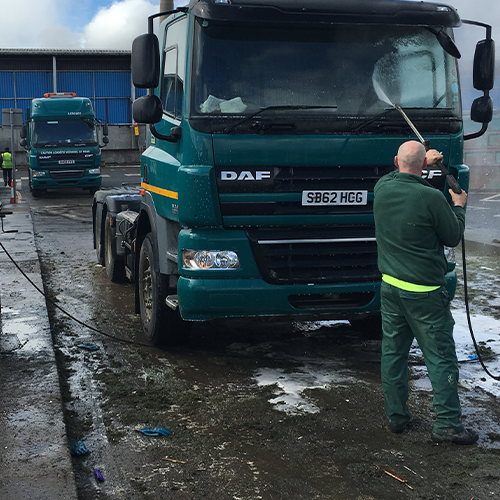
For businesses handling cleaning across sectors such as HGVs and transport fleets, buses and coaches, refuse vehicles, as well as plant and construction equipment, the system you choose plays a crucial role in overall performance. It directly impacts productivity, labour efficiency, maintenance costs, and the presentations of your fleet.
That’s why it’s essential to take a long-term, strategic approach when making your decision.
The Biggest Mistakes Businesses Make When Choosing a Pressure Washing System
Choosing a Pressure Washing System Based on Price Alone
Focusing only on the upfront cost is one of the most common mistakes. Cheaper systems may save money initially, but often lead to higher maintenance costs, reduced performance, and shorter lifespans. Over time, this can result in greater overall expense and operational disruption. The lowest price rarely delivers the best long-term value.
Underestimating Usage Requirements
Many businesses underestimate how often their system will be used, particularly during peak periods or as operations grow. A system that cannot handle demand will struggle with performance and reliability. It’s important to choose a solution that meets both current and future requirements. equipment strain, and increased breakdowns.
Choosing the Wrong Type of System
Using the wrong type of system can create inefficiencies. Mobile units may work for occasional use, but in high-demand environments they often slow operations and reduce productivity. Static pressure washers are typically better suited for regular, high-volume cleaning.
Ignoring Flow Rate and Focusing Only on Pressure
Pressure is important, but flow rate has a major impact on cleaning speed. A system with low flow can significantly slow down operations, even if pressure is high. The right balance between pressure and flow is essential for efficient cleaning.
Overlooking the Importance of Hot Water Systems
Cold water systems are not always effective in industrial environments. When dealing with oil, grease, and heavy contaminants, hot water systems deliver faster and more efficient results. Choosing the wrong system type can lead to longer cleaning times and increased labour.
Not Considering System Design and Serviceability
System design affects how easy it is to maintain and repair. Poorly designed systems can lead to longer downtime and higher servicing costs. Choosing a system that is easy to access and maintain will improve efficiency over time.
Ignoring Downtime and Reliability
Downtime can quickly disrupt operations and increase costs. Systems that are unreliable or difficult to repair can cause significant delays. Prioritising reliability helps ensure consistent performance and smooth day-to-day operations.
Failing to Plan for Installation and Integration
A pressure washing system needs to fit into your wider site setup. Without proper planning, issues can arise with layout, workflow, and compliance. A well-integrated system supports better efficiency and safer operations.
Not Considering Multi-User Requirements
In busy environments, multiple users may need access to the system. Choosing a single-user setup can create delays and bottlenecks. Multi-user systems help improve workflow and increase overall productivity.
Overlooking Long-Term Costs
Looking only at the initial investment can be misleading. Ongoing costs such as maintenance, downtime, and inefficiency can quickly add up. A higher-quality system often delivers better value over time.
Why System Design Matters More Than You Think
Not all pressure washing systems are built the same.
The design of the system determines performance, reliability, ease of maintenance, and long-term efficiency.
Rhinowash systems are engineered specifically for industrial environments, with a focus on:
Durability
Serviceability
Operational uptime
This ensures businesses benefit from a solution that performs consistently over time.
Final Thoughts
Choosing the right pressure washing system is a decision that can have a long-term impact on your business.
You can invest in a solution that supports your operations now and in the future by avoiding common mistakes and focusing on:
Performance
Reliability
Efficiency
System design
For transport depots and industrial environments, a well-specified system is not just a tool, it’s a key part of maintaining productivity and operational success.



Comments